nacro-logo

Success Story

Nacro, a national charity supporting young people aged 16 to 19, made the Gateway Qualifications Level 1 Certificate in Progression the main programme aim for most learners in their first year. Each centre selects units that reflect its own facilities, community links and teaching team, and attendance and retention have improved since the curriculum model changed.

If you support 16 to 19 learners who arrive after exclusion, home education or a disrupted school experience, and who bring a wide range of additional needs, get in touch.


Talk to Our Team

At a glance

Centre

Nacro, a national charity delivering 16 to 19 education across multiple sites

Lightbulb icon with a question mark representing a challenge or problem-solving

The challenge

Learners with a wide range of additional needs were being asked to choose a vocational route before they knew what they wanted, and retention was a concern

Document icon with a checkmark representing verification, approval, or completed documentation

The solution

The Certificate in Progression as the first-year programme aim, with each centre selecting units that reflect its facilities, community links and teaching team

Target icon with an arrow hitting the centre representing progress, goals, or results

The result

Attendance and retention have improved, and the staged approach gives learners space to explore before committing to a vocational route

Gateway Qualifications have been really supportive. We can talk ideas through with them and, as long as we're meeting the qualification requirements, they're open to how we bring it to life. I've never seen a qualification with that much choice in units, so you can really tailor things to what your young people need.
Lucy Brooke, Nacro Education Directorate

The challenge: a wide range of learner needs, and a route chosen too early

Nacro’s 16 to 19 learners arrive with a wide range of additional needs, and retention on some vocational pathways was a concern.

Nacro is a national charity that works across justice, housing and education. Within its education directorate, Nacro supports young people aged 16 to 19 who have often had a difficult experience of school and mainstream education.

Many arrive through local authority referrals after exclusion, long periods of home education or significant disruption during the pandemic. Some young people are living in care or have experienced instability at home.

Across Nacro’s centres, learners bring a wide range of additional needs, with high levels of ADHD, autism and other learning differences.

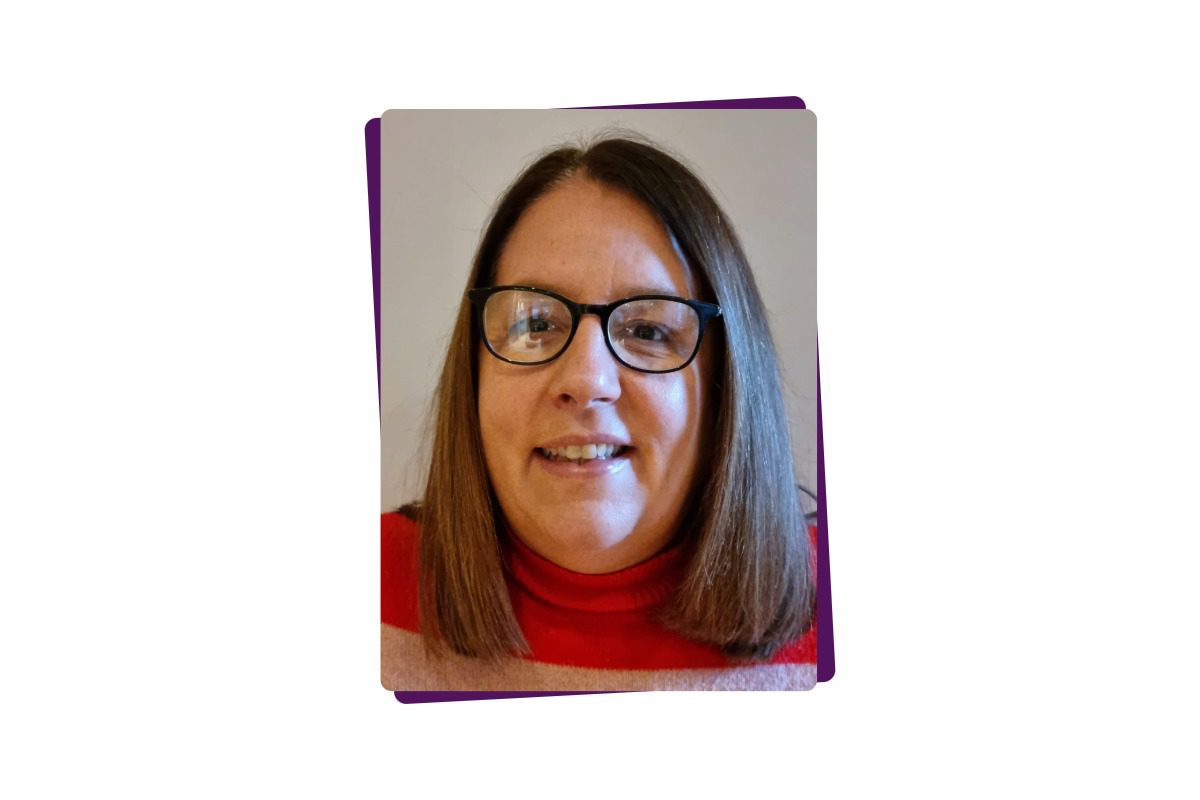
Lucy Brooke works within Nacro’s education directorate and has responsibility for curriculum development across multiple sites. She explains that Nacro’s provision is designed to look and feel different from mainstream further education.

Classes are small, usually around ten to twelve learners, and Learning Support Assistants (LSAs) work alongside tutors to provide targeted support.

Around half of learners arrive with an Education, Health and Care Plan (EHCP) in place, so wraparound support and flexibility are essential from day one.

Lucy Brooke, Nacro Education Directorate
lucy-brooke-nacro-photo

When Lucy joined Nacro, retention on some vocational pathways was a concern. Learners were often encouraged to choose a vocational route early on, before they had a clear sense of what they wanted to do.

For young people who had experienced disrupted schooling, being asked to commit to a pathway too quickly could lead to disengagement.

Nacro wanted a starting point that gave learners time to settle, rebuild confidence and explore options before making decisions about progression.


Sometimes at sixteen, you just do not know what you want to do. We were seeing students start something and then realise it was not right for them. By that point, they'd already switched off.

Lucy Brooke, Nacro Education Directorate

The solution: Nacro used our Level 1 Certificate in Progression

The Gateway Qualifications Level 1 Certificate in Progression became the main programme aim for most learners in their first year. The range of units within the qualification allowed centres to blend personal and social development with employability skills, while also offering tasters of vocational areas.


How each centre chooses its own units

The flexibility of the qualification has been central to how Nacro delivers its study programmes. Each centre is able to select units that reflect local facilities, community links and the strengths of its teaching team.

In Peterborough, learners use a small kitchen and garden to develop practical domestic skills and teamwork. In Middlesbrough, where construction is delivered, learners complete health and safety units and take part in practical tasks linked to the construction environment. In other areas, tutors draw on community connections to shape projects that feel relevant to learners’ lives.

Lucy explains that this approach also allows tutors to bring their own interests and experience into delivery, which helps learning feel more purposeful. One tutor in Middlesbrough, who is particularly passionate about community work, involves learners in local projects such as supporting food banks and carrying out basic maintenance work in the area.

Learners gather evidence for their qualification through these activities, often without realising that their work is being mapped to units.

Small class sizes and the presence of LSAs allow tutors to balance support and stretch. Learners with higher levels of need can receive focused help, while those who are more confident can be given additional challenges. Group profiles are used to plan support around individual learners, ensuring that EHCP requirements are reflected in everyday teaching and support strategies.

The named programmes Nacro runs inside the qualification

Alongside the core Progression and vocational pathways, Nacro runs named programmes that reflect different learner needs. ‘GET Set for Work’ focuses more heavily on employability units within the Progression qualification for learners who are closer to the labour market.

‘Skills for Life’ is designed for learners who need more time to build personal and social confidence, with groups selecting units that focus on communication, wellbeing and everyday life skills. Both programmes are shaped by the same flexible unit choice, allowing each group to focus on what they need most.


The results: attendance and retention have improved

Attendance and retention have improved since the curriculum model changed, although Lucy is clear that this is still an area of focus.

Timetables have been adjusted to support engagement, with sessions that learners enjoy placed earlier in the day to encourage attendance. Maths and English are then built into the day once learners are on site. Learning is delivered through projects and practical activities rather than long periods of tutor led instruction.

We're really big on students doing things rather than being talked at. They might design a poster or work on a project and then you say, you've actually just shown communication skills or teamwork. They're often surprised when you tell them they've completed a unit.

Lucy Brooke, Nacro Education Directorate

As learners develop confidence, they can move into vocational tasters such as the Level 1 Certificate in Business and Retail, or progress to the Level 2 Award in Progression if they need more time to build personal and social skills. This staged approach gives learners space to explore before committing to a specific vocational route.

The ability to offer smaller Awards has also supported learners who join part way through the year to gain a meaningful outcome.

The model continues to develop, with Nacro expanding delivery across sites, including Totton College in Hampshire, and using Gateway Qualifications to offer flexible entry points for learners who join at different times of the year.


What this could mean for your learners

At Nacro, the focus remains on giving young people time, support and choice as they rebuild confidence in learning and begin to plan their next steps.

We have supported this approach by providing qualifications that can be shaped around learner starting points and delivery contexts. The same is possible for very different learners, in very different settings. We’re here whenever you’d like to talk.