

Gateway Qualifications was delighted to return to the NATECLA Conference 2026 at Conference Aston in Birmingham as both a refreshment sponsor and exhibitor. The event brought together ESOL practitioners from across the UK to explore the opportunities and challenges currently shaping ESOL delivery and learner progression.
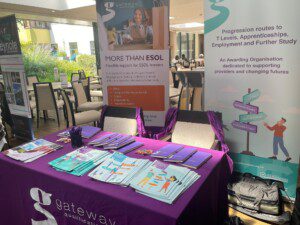 Throughout the conference, one message came through clearly: delegates are looking for practical ways to support learner progression beyond language development alone. Conversations focused on helping learners move into employment, build digital confidence, engage with their communities and progress into further learning.
As delegates continue to navigate funding pressures and increasingly diverse learner needs, flexible progression routes are becoming more important than ever. Delegates spoke about the challenge of building programmes that not only equip learners with the knowledge they need but also the confidence to succeed in everyday life, work and further study.
These discussions provided an opportunity to demonstrate how delegates can strengthen ESOL programmes through additional qualifications and progression pathways that support learners’ wider educational, employment and community goals.
Building Progression Pathways Around ESOL
Alongside our ESOL qualifications and Living and Working in the UK suite, we highlighted a range of resources designed to help delegates build a curriculum and create clear learner journeys.
These progression pathways demonstrate how delegates can support curriculum planning, address local priorities and create meaningful progression opportunities for a wide variety of learner cohorts.
Developing Digital Skills for Life, Learning and Work

Digital inclusion remains a key priority across the sector, and many delegates highlighted the need to help learners develop the digital skills required for everyday life, employment and further study.
To help delegates address this need, our Digital Literacy Pathways at Entry Level and Level 1 combine Essential Digital Skills Qualifications, Digital Functional Skills Qualifications and specialist Level 1 awards, helping learners develop practical and relevant digital skills.
We also showcased our Level 2 Digital and IT Skills Pathways, which offer progression opportunities in areas such as cybersecurity, digital marketing and game design. These progression routes support learners who want to continue their studies, prepare for employment or progress to Level 3 qualifications.
Supporting Employment and Career Progression
Employability was another key theme throughout the conference, with delegates discussing ways to help learners overcome barriers to employment and develop transferable workplace skills.
To support this need, our Employability Pathways provide a flexible solution that can be embedded within ESOL, adult learning and employability programmes. Endorsed by the Institute of Employability Professionals (IEP), these pathways help learners develop practical skills that support progression into employment, training and further learning.
Delegates were also keen to explore our Vocational Taster Pathways, which offer learners an introduction to different industry sectors and can act as stepping stones towards larger vocational programmes and qualifications.
Creating Inclusive Learning Journeys
Delegates welcomed our Inclusive Entry Level Pathways for Life and Work, which help delegates design tailored programmes for ESOL, foundation and SEND learners.
The pathways provide practical guidance for developing inclusive, learner-centred programmes that support achievement, confidence building and progression, while allowing centres to adapt delivery to meet local learner needs.
It was particularly valuable to speak with existing centres about how these pathways are being used in practice and how they can be adapted to support a diverse range of learners and communities.
Supporting Community Integration Through Living and Working in the UK
 Community integration and citizenship were also important themes throughout the event. Delegates highlighted the importance of helping learners develop the knowledge and confidence needed to participate fully in life and work in the UK.
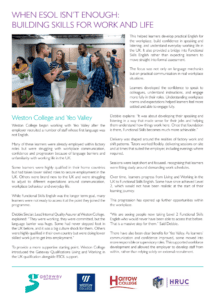
Our Living and Working in the UK qualifications offer a practical solution to supporting learner integration, employability and progression within local communities.. We also shared an updated Living and Working in the UK case study in delegate packs, showcasing how delegates are successfully using the qualification within wider learner programmes.
Delegates responded particularly positively to the example from Weston College, where the suite of qualifications supported ESOL learners employed by Yeo Valley. Delivered flexibly around shift patterns, the suite of qualifications helped learners improve workplace communication, build confidence and gain a greater understanding of UK workplace culture.
The suite of qualifications also created clear progression opportunities, providing a route into Functional Skills English, with some learners progressing to Level 2 study and moving into more responsible workplace roles. The case study demonstrated the wider impact that collaborative working between delegates and employers can have on learner progression, workforce development and social integration.
Looking Ahead
The NATECLA Conference once again provided an excellent opportunity to hear directly from ESOL practitioners and delegates about the challenges and opportunities facing the sector.
We look forward to continuing these conversations and supporting delegates across the UK to develop flexible, inclusive programmes that help ESOL learners progress into further learning, employment and active participation in their communities.